The Freedom of the Organized Vessel: A Guide to Calm Seas and Clear Decks
There is a specific kind of magic that happens when a boat is perfectly organized. It’s the difference between a frantic scramble when the wind picks up and a seamless transition into a new tack. On the water, space is the ultimate luxury, and clutter is more than just an eyesore—it’s a safety hazard and a drain on your mental clarity. Whether you are navigating a weekend cruiser, a fishing center console, or a blue-water sailor, mastering the "everything in its place" philosophy transforms the boating experience from a series of chores into pure recreation.
The "Zone" Philosophy
Effective boat organization begins with a conceptual map of your vessel. Boats are multifunctional: they are transport, kitchens, bedrooms, and gear lockers all rolled into one. To manage this, divide your boat into functional zones.
- The Nerve Center (The Helm): Keep this area strictly for navigation and safety. Minimalist dash setups are trending for a reason. Use small, adhesive gimbals for phones or handheld VHFs, and ensure your charts (or tablets) have a dedicated, secure home.
- The Utility Zone: This includes your lines, fenders, and anchors. These items should be accessible within seconds.
- The Social & Living Zone: This is where personal items, sunscreen, and snacks live. If it isn’t essential for the operation of the boat, it should be tucked away in a locker, not sitting on a bench.
Verticality and the Power of Fasteners
In a house, you have the floor. On a boat, the floor (or sole) is usually a moving target or a gateway to a bilge. To truly organize, you must look upward.
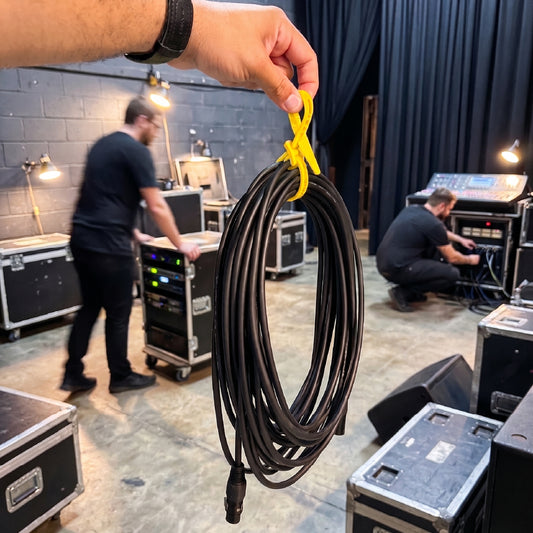
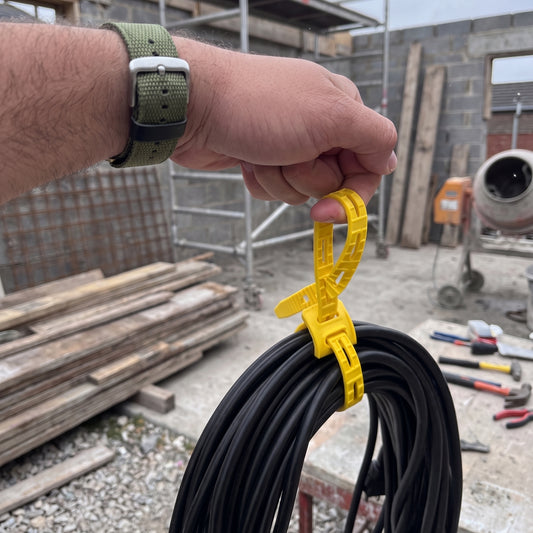
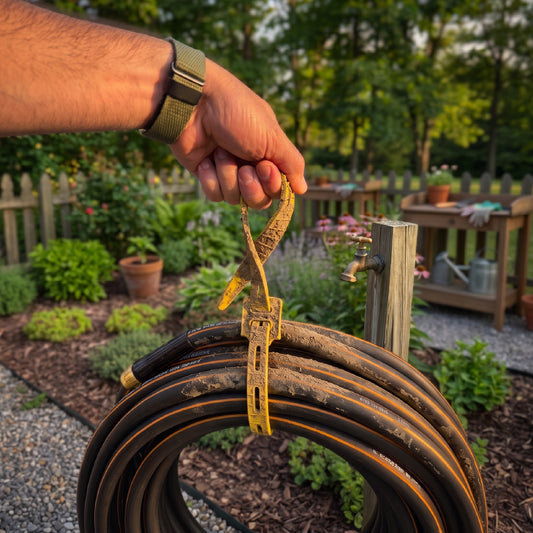
Vertical space is often underutilized in marine environments. Cord-Ties are the unsung heroes of a tidy cabin. Durable, reusable, versatile, waterproof, and UV-resistant, Cord-Tie is one of the few “use everywhere on anything” tools you shouldn’t leave the dock without. Use them to bundle shore power cables, secure fishing rods against the overhead, or keep emergency tools strapped to a bulkhead where they can’t slide away. When things are strapped down, you eliminate the "maracas effect"—that rhythmic banging of loose gear against the hull that can drive a captain mad during an overnight swell.
For heavier items, consider customized bungee systems. A well-placed shock cord can turn a dead corner into a secure spot for life jackets or rain gear, keeping them dry and off the seats while remaining within arm’s reach.
The "Dry and Accessible" Rule
The marine environment is a constant battle against moisture. Organization isn't just about placement; it’s about preservation.
- Clear Bin Logic: Use clear, gasket-sealed plastic bins for everything from spare parts to dry goods. Clear bins allow you to inventory your stock at a glance without digging through deep lockers. Label the tops and sides of the bins so they are identifiable no matter how they are stacked.
- Soft-Sided Storage: For clothing and linens, soft-sided packing cubes are superior to hard luggage. They compress to fit the irregular curves of a hull and can be stuffed into awkward "V-berth" corners where square boxes won't go.
- The "Go-Bag" System: Keep a dedicated waterproof bag for your essentials—wallet, keys, registration, and flares. This bag should have a permanent "home" near the companionway. If you ever need to leave the boat in a hurry, you aren't hunting for the basics.
Maintenance and the Industrial Standard
Boaters often overlook the engine room or the battery locker when thinking about "organization," but this is where it matters most. Use industrial-grade fasteners and UV-resistant ties to manage your wiring. A "spaghetti" mess of wires isn't just ugly; it makes troubleshooting a blown fuse nearly impossible in the dark.
Label every wire and every hose. In a high-stress situation, being able to identify a seacock or a fuel line instantly is invaluable. Using color-coded ties or labels can bridge the gap between a minor mechanical hiccup and a major maritime incident.
The One-In, One-Out Rule
Finally, the most disciplined part of boat organization is the "One-In, One-Out" rule. It is incredibly easy to accumulate "just in case" gear—extra flippers, outdated charts, or half-rusted tools. Once a season, do a hard audit. If you haven't used an item in a year, it’s taking up valuable buoyancy and space.
Conclusion: The Mental Reward
An organized boat reflects an organized mind. When you push off from the dock, your focus should be on the horizon, the depth sounder, and the company on board—not on whether the extra dock lines are tangling with the cooler. By utilizing smart fastening solutions, respecting your zones, and embracing a minimalist aesthetic, you don't just save space; you save your sanity.
Clear the decks, secure your gear, and enjoy the silence of a boat that is truly shipshape. Safe passage and happy sailing.