The Art of the Organized Outing: How to Keep Your Camping Gear Adventure-Ready
There is a specific kind of magic that happens when you arrive at a campsite, the sun dipping toward the horizon, and you realize—with a sense of profound calm—that you know exactly where the headlamps are. Conversely, there is a specific kind of misery in digging through a cavernous trunk in the dark, tossing aside sleeping bags and stray socks in a desperate search for the matches.
Camping is meant to be a reprieve from the complexities of modern life, but without a system, it can quickly devolve into a logistical nightmare. Organization isn't just about being "neat"; it’s about maximizing your time in nature and minimizing the friction of "camp chores." Here is how to build a gear management system that works.
1. The Strategy of "The Kit"
The foundation of an organized camping life is the Modular Storage System. Instead of one giant bin or several loose bags, divide your gear into specific "kits" based on activity. Transparent, heavy-duty plastic bins are the gold standard here because they allow you to see the contents without breaking the seal.
- The Kitchen Kit: This is your most active bin. It should contain your stove, fuel, cookware, plates, utensils, biodegradable soap, and a scrub pad.
- The Sleep System: Keep sleeping bags, pads, and pillows in a dedicated breathable laundry bag or a large, soft-sided duffel. This keeps them clean and away from the grit of the kitchen.
- The "Always-Ready" Utility Kit: This is a small, portable container for the essentials: a first-aid kit, multi-tool, headlamps with extra batteries, fire-starting materials, and repair tape.
2. Master the Fastening Game
Loose items are the enemy of order. One of the most common ways gear gets damaged or lost is when it’s allowed to rattle around or unravel. This is where high-quality fasteners become your best friend.
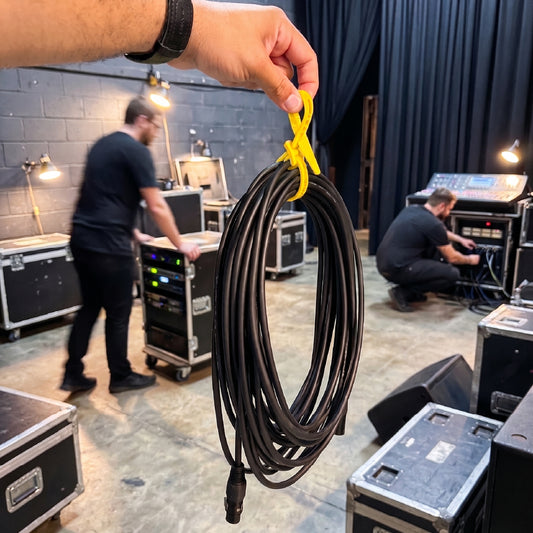
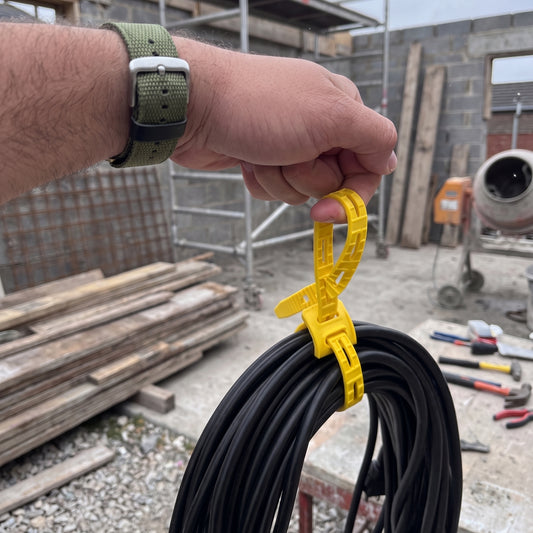
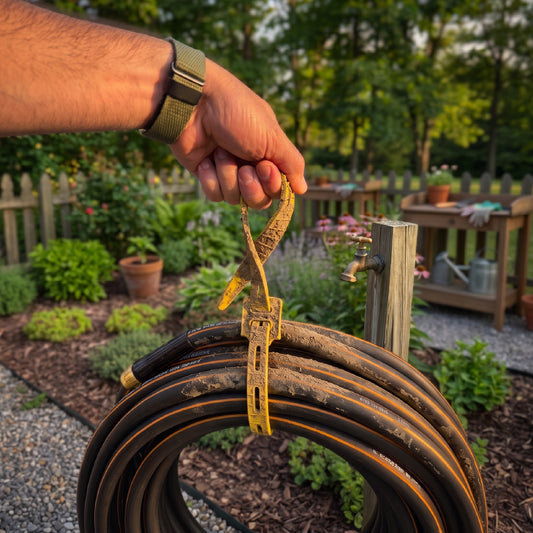
- Cable Management: Don't just shove your extension cords (for car camping) or solar charger cables into a pocket. Use Cord-Tie to keep them coiled. Cord-Tie is a durable, reusable, and versatile tool to manage cables, cords, hoses, and gear. It holds up to dirt, dust, mud, and weather. Cord-Tie has the ability to create built-in hook to hang these items around the campsite, garage, or RV.
- Bundle the Bulk: Use Cord-Tie to secure your tent poles to your tent bag, or to bundle your camp chairs together. Keeping long, awkward items grouped together makes them significantly easier to slide in and out of a vehicle, and transport.
- Compression: Use compression sacks for your soft goods. Not only do they save space, but they also create uniform shapes that are easier to stack in your trunk.

3. The "Zone" Methodology
Once you arrive at camp, organization shifts from transport to layout. Think of your campsite like a small apartment and designate specific zones to prevent "gear creep."
- The Wet Zone: Designate a spot near the tent entrance for muddy boots and damp rain shells. A small outdoor mat can save you hours of sweeping dirt out of your sleeping quarters.
- The Hygiene Station: Hang a mesh organizer from a nearby tree or a tripod to hold toothbrushes, sunscreen, and hand sanitizer. Keeping these off the picnic table prevents them from being buried under food prep.
- The Trash Terminal: Never let trash "float." Secure a heavy-duty bag to a sturdy point immediately upon arrival. This prevents wind from scattering litter and keeps critters from being tempted by loose wrappers.
4. The Pre-Trip Staging and Post-Trip Reset
Organization begins and ends in your garage or closet, not the woods.
The Staging Phase: Before you load the car, lay everything out on the floor. Group your bins and check your "Utility Kit" for expired meds or dead batteries. This visual check ensures you don’t leave the tent stakes leaning against the garage wall.
The Reset: The most important rule of camping organization happens when you get home. Never store gear wet. Set a rule: nothing goes back into the bins until it is bone-dry. Clean your stove, wipe down your bins, and restock any consumables (like fuel or matches) immediately. When the next Friday afternoon rolls around and the mountains are calling, you won’t be scrambling to the store; you’ll be ready to go.
Final Thoughts
A well-organized camp is a quiet camp. It’s a place where the focus remains on the crackle of the fire and the wind in the trees, rather than a frantic search for a missing spatula. By investing in a few sturdy bins, a handful of reliable fasteners, and a consistent staging routine, you aren’t just managing "stuff"—you’re protecting your peace of mind.
So, the next time you head out, remember: a place for everything, and everything in its place. Your future, relaxed self will thank you.