Small Space, Big Adventure: Mastering the Art of RV Organization
There is a profound sense of freedom that comes with living on wheels. Whether you are a full-timer or a weekend warrior, the RV lifestyle promises the world at your doorstep. However, that freedom can quickly feel cramped if your living quarters become a cluttered obstacle course. In an RV, every square inch must earn its keep.
The secret to a stress-free road trip isn't having more space—it’s having better systems. By viewing your coach through the lens of efficiency and utilizing modern securing solutions, you can turn a tiny floor plan into a functional sanctuary.
The "Weight and Balance" Foundation
Before you buy a single storage bin, you must understand the Golden Rule of RVing: Weight matters. Unlike a traditional home, an RV has a Gross Vehicle Weight Rating (GVWR) that you must not exceed for safety and fuel efficiency.
When organizing, place your heaviest items (like canned goods or toolkits) low and centered over the axles. This keeps the center of gravity stable. Save the high overhead cabinets for lightweight items like linens, paper towels, and plasticware. This foundational step ensures that your organization strategy actually improves the driveability of your rig.
Vertical Real Estate: The Great Untapped Resource
In a space where floor area is at a premium, the walls and the undersides of cabinets are your best friends.
- Command the Walls: Adhesive hooks and strips allow you to hang everything from kitchen utensils to wet towels without drilling holes into your delicate wall panels.
- The Undercabinet Secret: Magnetic strips under kitchen cabinets can hold spice jars or knives securely. You can even mount the lids of mason jars to the underside of shelves; simply unscrew the jar to access your coffee, tea, or dry pasta.
- The Back of the Door: Over-the-door shoe organizers are the "Swiss Army Knife" of RV storage. Beyond shoes, use them in the bathroom for toiletries or in the kitchen for cleaning supplies and snacks.
Secure the Load: The "No-Rattle" Methodology
One of the most jarring parts of RV life is the "road earthquake"—the constant vibration and swaying that happens while driving. If your gear isn't secured, you’ll spend every arrival cleaning up spills and re-stacking fallen cans.
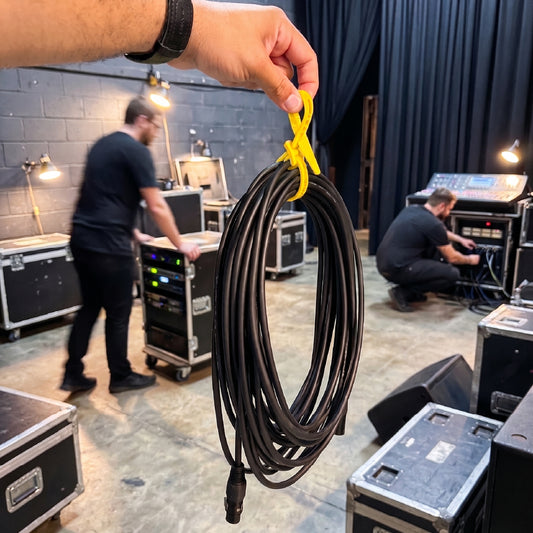
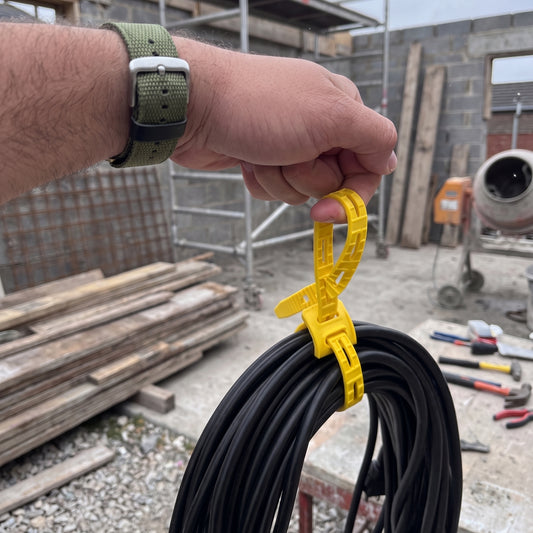
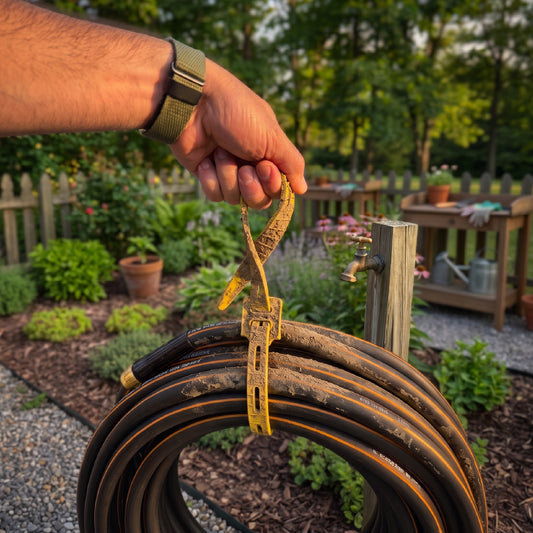
This is where industrial-strength fasteners become essential. Cord-Ties are invaluable for bundling together long items like power cords, water and sewer hoses, or even folding camp chairs in the "basement" storage bays. Cord-Tie is a durable, reusable, and versatile tool for managing cables, cords, hoses, and gear. They hold up to dirt, fuzz, water, sun, and weather and have a built-in loop to hang items.
Inside the living area, use Cord-Ties to manage the inevitable nest of charging cables behind the TV or at the bedside. For items on countertops, museum putty or non-slip liners are lifesavers. They ensure your coffee maker and decorative plants stay exactly where you put them, even after a bumpy mountain pass.

The Kitchen: A Lesson in Nesting
The kitchen is usually the most cluttered area of any RV. To fight the chaos, embrace the "nesting" philosophy.
Invest in nesting bowls, collapsible measuring cups, and stackable cookware with removable handles. These items take up a fraction of the space of traditional kitchenware. Square containers are also superior to round ones; they fit flush against each other in the pantry, eliminating the "dead space" that round jars create.
Pro Tip: Use tension rods inside your cabinets and refrigerator. Placing a small rod across a shelf creates a "guardrail" that prevents jars and milk cartons from tumbling out the moment you open the door after a long drive.
Multi-Functional Furniture
In an RV, an item that only does one thing is a luxury you might not be able to afford. Look for furniture that pulls double duty. An ottoman shouldn't just be a footrest; it should be a storage chest for extra blankets. A dinette should have pull-out drawers underneath the benches.
If you find yourself with an empty corner, consider a "floating" shelf that can serve as a workspace by day and a charging station by night. The goal is to minimize "single-use" zones.
The One-Month Audit
RV organization is not a "one and done" task; it’s an evolving process. Every few months, perform a rigorous audit of your belongings. If you haven't used a specific gadget, worn a particular jacket, or sat in that extra folding chair in thirty days, it’s time to re-evaluate its presence.
Space is your most valuable currency on the road. Trading a bulky air fryer you rarely use for more breathing room in the kitchen is almost always a winning deal.
Conclusion: Calm in the Chaos
Organizing an RV is about more than just aesthetics; it’s about reducing the "friction" of daily life. When your cords are tied, your bins are labeled, and your gear is strapped down, you spend less time managing your "stuff" and more time enjoying the destination.
A shipshape rig allows you to transition seamlessly from "driving mode" to "relaxing mode" the moment the leveling jacks go down. So, grab some straps, clear the counters, and get ready for a clutter-free journey. We also recommend following, Gills On Wheels for more RV life tips.